
Could This Become Crypto's Next Trillion-Dollar Market?
Could Tokenized Real Estate Become the Next Trillion-Dollar Crypto Market?
Introduction
The cryptocurrency industry is constantly evolving, introducing new ways to invest, trade, and own assets. While Bitcoin and Ethereum remain the most recognized digital assets, one of the fastest-growing trends in blockchain technology is the tokenization of real-world assets.
Among all tokenized asset categories, real estate is attracting significant attention from investors, institutions, and technology companies. Experts believe that blockchain-powered property ownership could transform the global real estate market by making investments more accessible, transparent, and efficient.
As adoption increases, many analysts are asking whether tokenized real estate could become the next trillion-dollar opportunity in the digital asset industry.
What Is Tokenized Real Estate?
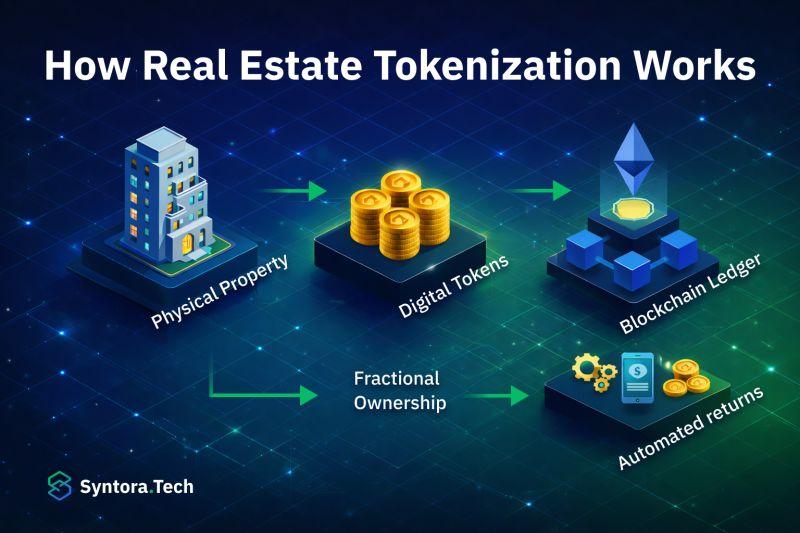
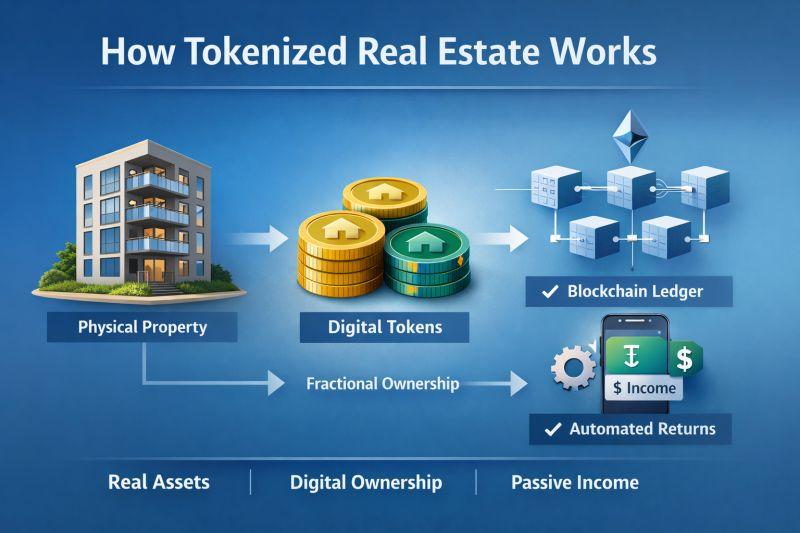
Tokenized real estate refers to the process of converting ownership rights in a property into digital tokens on a blockchain.
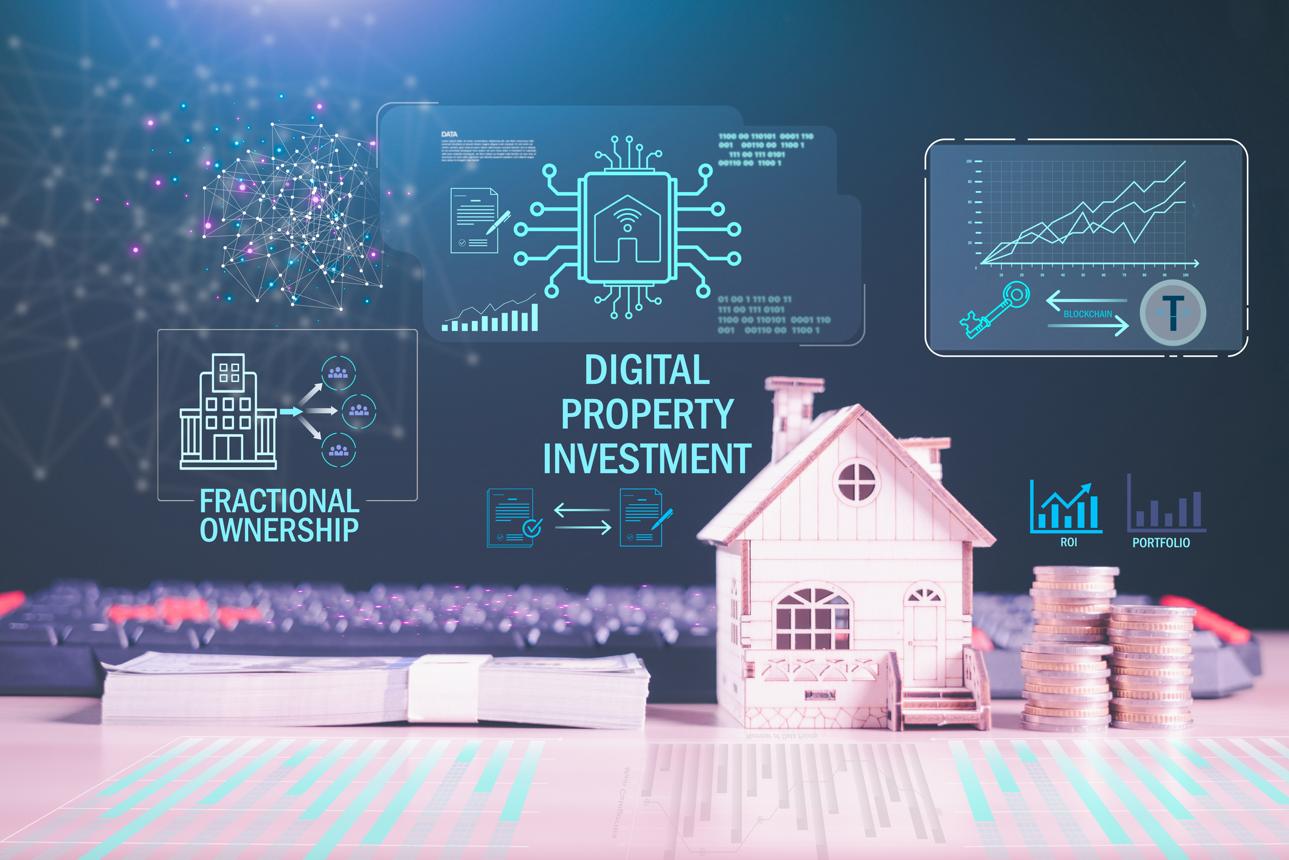
Instead of purchasing an entire building, apartment, or commercial property, investors can buy fractional ownership through blockchain-based tokens. Each token represents a share of the underlying real estate asset.
This approach allows investors to access property markets with significantly lower capital requirements compared to traditional real estate investments.
Why Investors Are Interested
Traditional real estate investments often require large amounts of capital, lengthy paperwork, legal complexities, and limited liquidity.
Tokenization addresses many of these challenges by allowing fractional ownership and digital transfers. Investors can purchase smaller portions of valuable properties while benefiting from blockchain transparency and faster transactions.
This model opens the door for retail investors who previously lacked access to premium real estate opportunities.
Increased Liquidity Could Change Everything
One of the biggest advantages of tokenized real estate is improved liquidity.
Traditional property investments are often difficult to sell quickly. Transactions can take weeks or even months to complete. Tokenized assets, however, can potentially be traded on digital marketplaces much faster.
Greater liquidity may attract a broader range of investors and increase participation in global real estate markets.
For many experts, liquidity represents one of the strongest arguments in favor of blockchain-based property ownership.
Global Access to Property Investments
Blockchain technology removes many geographic barriers that traditionally limit real estate investing.
An investor in India could potentially gain exposure to commercial properties in New York, London, Dubai, Singapore, or Tokyo through tokenized ownership structures.
This global accessibility creates new investment opportunities while helping property developers reach a larger pool of investors.
The ability to invest internationally without complex cross-border processes could become a major growth driver for the sector.
Institutions Are Paying Attention
Large financial institutions are increasingly exploring tokenization technology.
Banks, investment firms, real estate funds, and asset managers recognize the potential benefits of digitizing ownership records and streamlining transactions.
Several organizations have already launched pilot projects focused on tokenized bonds, private equity, and real estate investments.
As institutional adoption expands, confidence in tokenized asset markets may continue growing.
Blockchain Improves Transparency
Transparency is another major advantage of tokenized real estate.
Blockchain technology creates an immutable record of transactions, ownership transfers, and asset history. This can reduce fraud, simplify auditing, and improve trust among market participants.
Investors gain greater visibility into ownership structures and transaction activity, creating a more efficient investment environment.
These benefits are particularly valuable in markets where transparency has historically been limited.
Smart Contracts Reduce Complexity
Smart contracts play a critical role in tokenized real estate ecosystems.
These self-executing agreements automate processes such as ownership transfers, dividend distributions, compliance checks, and investor reporting.
Automation can reduce administrative costs while improving operational efficiency for property managers and investors alike.
The combination of blockchain technology and smart contracts has the potential to modernize many aspects of real estate management.
Regulatory Challenges Remain
Despite significant potential, tokenized real estate still faces regulatory hurdles.
Property laws vary significantly across countries, and regulators are still developing frameworks for digital asset ownership.
Issues related to investor protection, taxation, compliance, and legal recognition must be addressed before large-scale adoption can occur.
Clear regulations will likely play a major role in determining how quickly the sector develops.
Competition Is Growing
Numerous blockchain platforms are competing to become leaders in tokenized asset infrastructure.
Ethereum remains one of the most widely used networks due to its smart contract capabilities, but alternative blockchain ecosystems are also entering the market.
Competition is driving innovation, reducing costs, and improving scalability across the industry.
As technology continues evolving, investors can expect more sophisticated tokenization solutions to emerge.
The Future of Real Estate Investing
Many analysts believe tokenization could fundamentally change how people invest in property.
Instead of requiring hundreds of thousands of dollars to purchase real estate, investors may eventually be able to build diversified property portfolios using relatively small amounts of capital.
The ability to buy, sell, and manage real estate assets digitally could create a more efficient, transparent, and inclusive investment ecosystem.
This transformation has the potential to unlock trillions of dollars in previously illiquid assets.
Conclusion
Tokenized real estate represents one of the most exciting intersections between blockchain technology and traditional finance. By improving accessibility, liquidity, transparency, and efficiency, tokenization could reshape global property markets over the coming decade.
While regulatory challenges remain, growing institutional interest and technological innovation suggest that blockchain-based real estate investing may become a major component of the future financial system.
As investors search for the next big opportunity beyond Bitcoin and traditional cryptocurrencies, tokenized real estate is emerging as a sector worth watching closely.